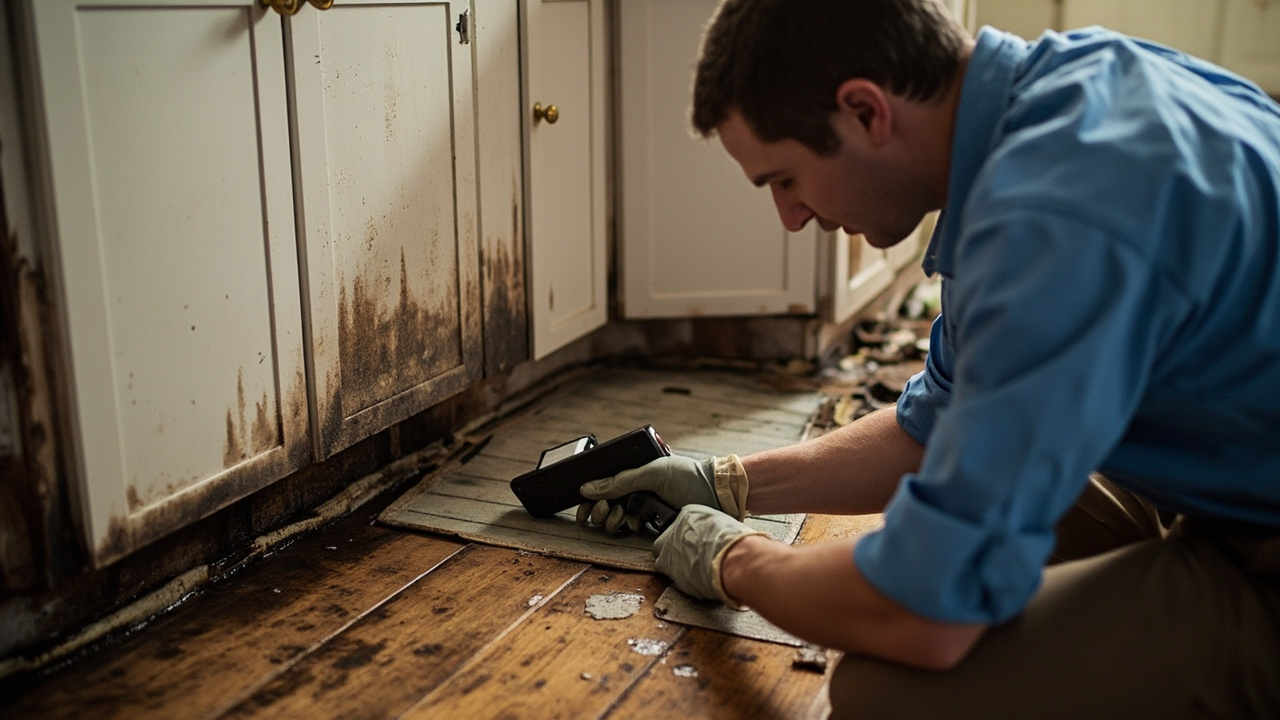
Philadelphia operates a combined sewer system that handles both stormwater runoff and sanitary sewage in the same pipes. During heavy rain, the system can exceed capacity, causing combined sewer overflows that send raw sewage back through basement floor drains, toilet fixtures, and sump pump discharge lines. This infrastructure reality means that clear water in your basement after a storm is not Category 1. It is Category 3 sewage contamination until proven otherwise. Property owners who treat storm-related basement flooding as clean water expose themselves to E. coli, hepatitis, and other waterborne pathogens. Philadelphia Water Department issues CSO alerts during heavy rain for this reason.
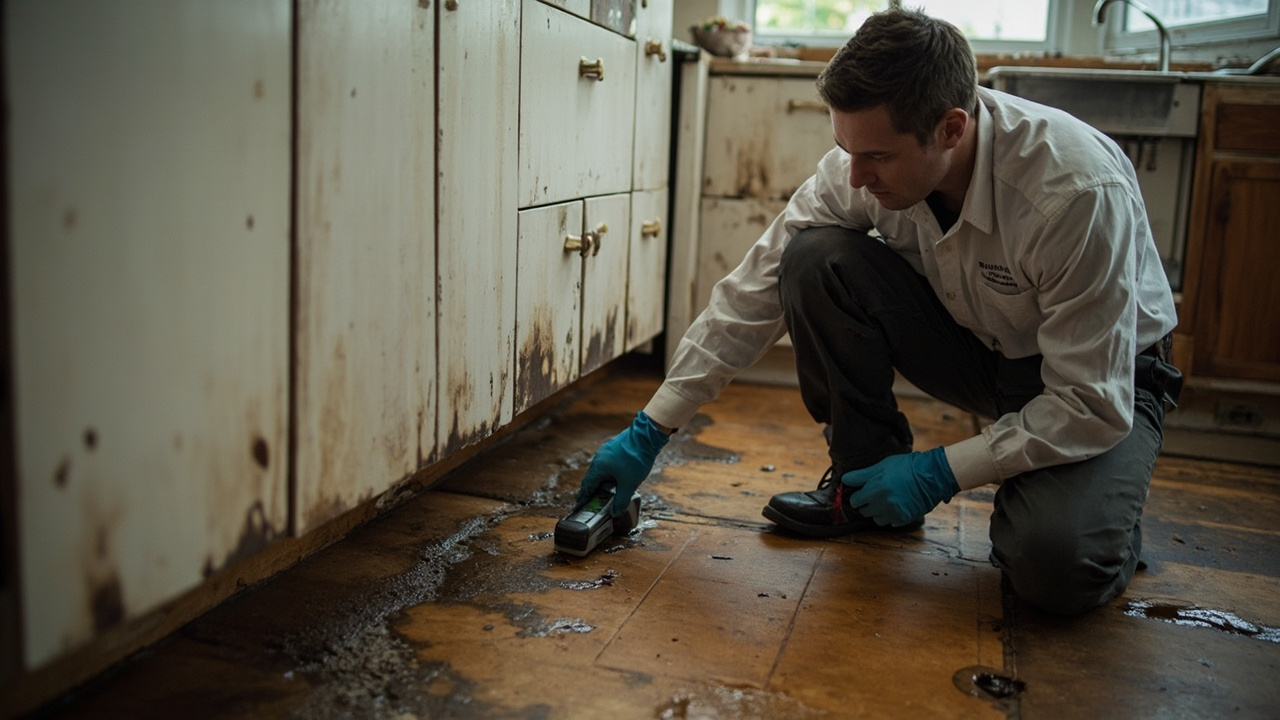
Philadelphia rowhome construction creates additional water category complications. Shared plumbing stacks mean that sewage backup in a neighboring property can enter your home through common drain lines. Historic properties built before 1950 often have terracotta or cast iron sewer laterals that crack and allow soil contamination to infiltrate drainage systems. Local restoration expertise matters because out-of-town contractors unfamiliar with Philadelphia building stock may miss these cross-contamination pathways. Our technicians assess water damage with an understanding of local construction methods, infrastructure limitations, and regional building codes that directly impact contamination protocols and material salvageability.