
Safe Cleanup for Sewage Backups in Northeast Philly Basements
Raw sewage flooding your basement creates immediate health risks and structural damage. In Northeast Philadelphia the combination of aging infrastructure and heavy rainfall makes sewage backups a recurring emergency. Black water contains harmful bacteria viruses and parasites that require professional removal and sanitization. Our certified technicians respond within 60 minutes to extract contaminated water disinfect affected areas and restore your property to safe living conditions.. Read more about The Most Reliable 24 Hour Water Extraction Teams in Port Richmond.
Why Northeast Philadelphia Basements Face Unique Sewage Risks
The Northeast corridor’s aging combined sewer system struggles during heavy storms. Philadelphia’s original clay sewer pipes installed decades ago crack and collapse under pressure. Tree roots penetrate joints creating blockages that force sewage back through floor drains. Homes built before 1970 often lack backflow prevention valves making them vulnerable to main line backups.
Heavy clay soil in areas like Bustleton and Somerton retains moisture slowing drainage. When the ground saturates storm water mixes with sewage overwhelming the system. Pennypack Creek’s watershed includes much of Northeast Philadelphia meaning upstream blockages affect downstream properties. The Roosevelt Boulevard corridor experiences concentrated runoff during downpours creating hydraulic pressure in underground pipes.
Row home construction in neighborhoods like Oxford Circle means shared plumbing walls. A blockage in one home can back up into adjacent properties through interconnected drain lines. This domino effect turns a single backup into a neighborhood emergency requiring coordinated response.
Health Hazards of Black Water Contamination
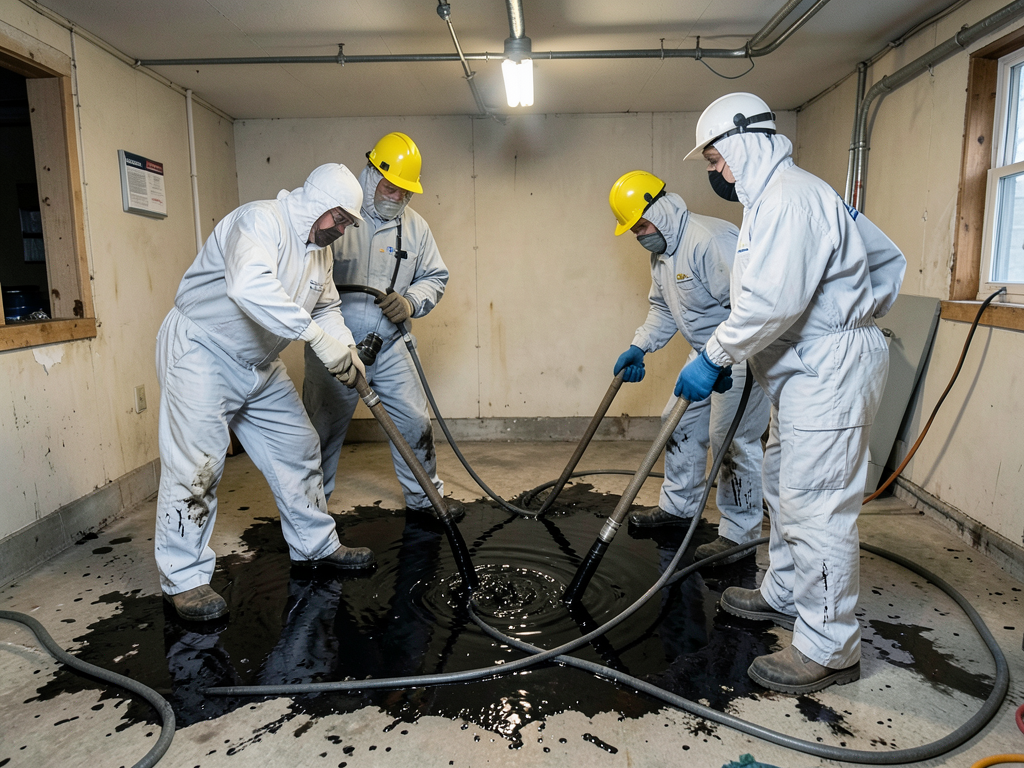
Category 3 water contains pathogens that cause serious illness. E. coli Salmonella and Hepatitis A viruses thrive in sewage. Exposure occurs through skin contact inhalation of aerosolized particles or ingestion of contaminated materials. Children elderly individuals and those with compromised immune systems face highest risk. EPA sewage cleanup guidelines.
Black water damages more than health. Sewage destroys flooring drywall and insulation. Moisture promotes mold growth within 24-48 hours. The longer contamination sits the deeper pathogens penetrate porous materials. Wood subfloors absorb sewage creating hidden contamination zones that require demolition to remediate.
Structural damage compounds health risks. Sewage weakens floor joists and support beams. Waterlogged materials create unstable walking surfaces increasing injury risk during cleanup. Electrical systems exposed to moisture pose shock hazards requiring immediate shutdown.. Read more about Cleanup Services for Overflowing Toilets and Bathroom Floods in Media PA.
Professional Sewage Cleanup Process
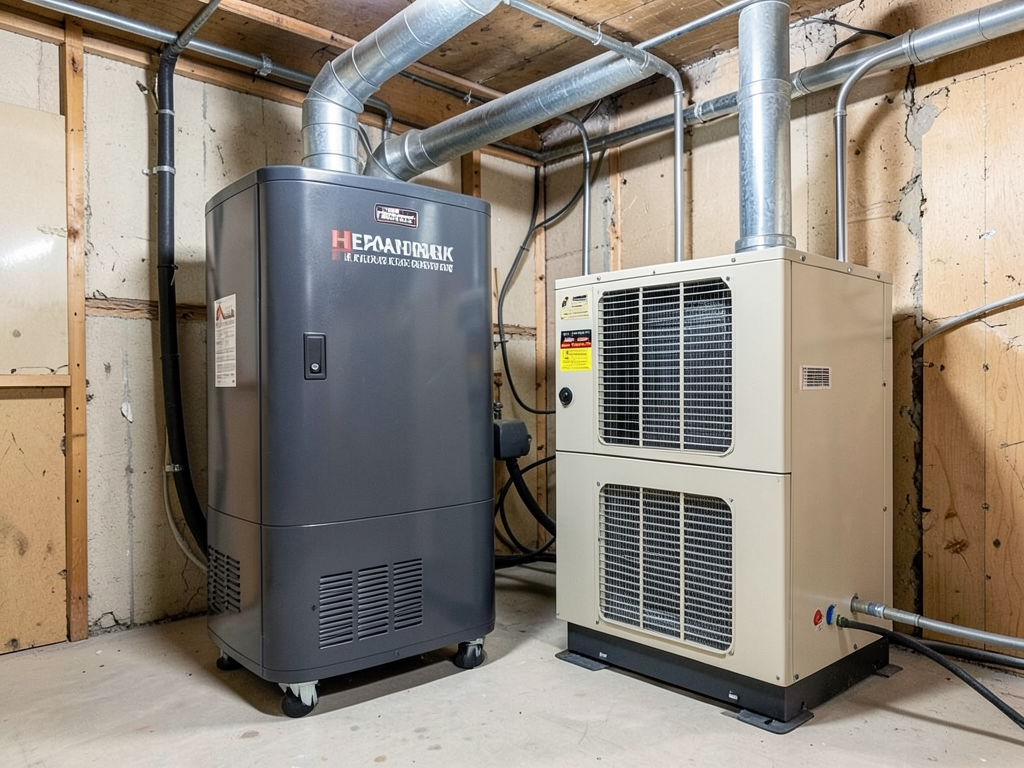
Emergency response begins with safety assessment. Technicians wear full PPE including respirators chemical-resistant suits and waterproof boots. The area isolates to prevent cross-contamination. Air scrubbers with HEPA filtration remove airborne particles while negative air pressure contains contaminants.
Water extraction uses industrial pumps capable of removing thousands of gallons per hour. Truck-mounted units provide power when building electricity poses hazards. Submersible pumps handle deep water while wet vacuums address remaining moisture in corners and along walls.. Read more about How to Handle a Flooded Basement in Your Bridesburg Rental Property.
Demolition removes contaminated materials beyond salvage. Porous items including carpet padding drywall and insulation contact harbor pathogens. Non-porous surfaces receive antimicrobial treatment. EPA-registered disinfectants kill 99.9% of bacteria and viruses on contact.
Drying equipment runs continuously. Industrial dehumidifiers extract moisture from air and materials. Air movers create circulation preventing stagnant zones where mold develops. Moisture meters track progress ensuring complete drying before reconstruction begins.
Sanitization covers every surface. Technicians apply antimicrobial solutions to walls floors and fixtures. Ozone treatment eliminates odors at molecular level. Hydroxyl generators neutralize airborne contaminants without leaving chemical residues.
Equipment Used in Professional Sewage Remediation
Industrial-grade air scrubbers process 500-2000 cubic feet per minute removing particulates down to 0.3 microns. HEPA filters trap bacteria and mold spores preventing redistribution. Negative air machines create pressure differentials keeping contaminants contained.
Dehumidifiers remove 20-70 pints of moisture per day depending on capacity. Low-grain refrigerant units perform in cooler temperatures common in basements. Desiccant dehumidifiers handle extreme moisture loads in large commercial spaces.
Thermal imaging cameras detect moisture behind walls and under flooring. Infrared technology identifies temperature differentials indicating water presence. This non-invasive scanning prevents unnecessary demolition while ensuring complete moisture removal.
Moisture meters measure material moisture content to 3/4 inch depth. Pin-type meters test wood materials while non-invasive meters scan concrete and masonry. Readings guide drying strategy and verify when materials reach safe moisture levels.
Insurance Claims for Sewage Damage in Pennsylvania
Most homeowners policies cover sudden sewage backups but exclude gradual damage or poor maintenance. Standard HO-3 policies in Pennsylvania typically include sewage backup coverage as an optional endorsement. Without this add-on damage from main line backups falls under separate municipal responsibility.
Documentation proves essential for claims approval. Photograph all damage before cleanup begins. Save receipts for emergency services. Keep damaged materials when possible for adjuster inspection. Create detailed inventory of affected items including age and value.
Pennsylvania law requires insurance companies to respond within 15 days of claim receipt. Adjusters inspect damage within 3-5 business days of notification. Emergency services proceed while waiting for adjuster approval since delays increase damage severity.
Professional restoration companies provide detailed estimates meeting insurance industry standards. Xactimate software generates line-item pricing familiar to adjusters. This documentation streamlines approval process and prevents payment delays.
Preventing Future Sewage Backups
Backflow prevention valves stop sewage from entering through floor drains. These one-way valves install on main sewer lines allowing water flow out but blocking reverse flow. Professional installation costs $1,000-2,500 depending on accessibility and system complexity.
Regular plumbing maintenance prevents blockages. Annual sewer line cleaning removes buildup before it creates obstructions. Video inspection identifies cracks root intrusion and pipe deterioration. Early detection prevents emergency backups.
Proper waste disposal reduces clog formation. Never flush wipes paper towels or feminine products even if labeled flushable. These materials accumulate creating stubborn blockages. Grease disposal in trash prevents pipe coating that traps debris.
Landscaping affects drainage patterns. Grade soil away from foundation preventing water pooling near sewer cleanouts. Tree planting requires considering root growth patterns. Species with aggressive roots need distance from underground utilities.
24/7 Emergency Response for Northeast Philadelphia
Rapid response limits damage extent and health risks. Our teams stationed throughout Northeast Philadelphia guarantee 60-minute arrival in service areas. Coverage includes Mayfair Rhawnhurst Fox Chase and surrounding neighborhoods.
Emergency dispatch operates 24/7/365. Call centers staffed by trained professionals assess situations and dispatch appropriate equipment. GPS tracking ensures closest available team responds minimizing wait times.
Equipment staging at multiple locations throughout the Northeast corridor enables immediate deployment. Fully stocked trucks carry extraction drying and safety equipment eliminating supply delays. This preparation means faster service when every minute counts.
Communication remains constant during emergencies. Customers receive updates on arrival times progress and next steps. Insurance companies get real-time documentation supporting claims processing.
Local Service Areas in Northeast Philadelphia
Service coverage extends throughout Northeast Philadelphia zip codes 19111 19114 19115 19116 19136 19149 19152 and 19154. Each neighborhood presents unique challenges based on age infrastructure and soil conditions.
Bustleton’s newer construction features modern plumbing but clay soil creates drainage challenges. Somerton’s mix of older and newer homes requires versatile equipment and techniques. Parkwood’s uniform 1960s development means similar failure patterns across properties.
Fox Chase’s historic homes built before modern plumbing codes require careful assessment before aggressive cleaning. Rhawnhurst’s combination of row homes and single-family houses demands adaptable approaches. Oxford Circle’s high-density housing increases backup risk through shared infrastructure.
Service extends to commercial properties along Roosevelt Boulevard and Cottman Avenue. Restaurants retail spaces and offices face unique contamination risks requiring specialized protocols. Business continuity remains priority alongside health and safety.
Frequently Asked Questions
How much does sewage cleanup cost in Northeast Philadelphia?
Costs vary based on damage extent contamination level and required demolition. Typical residential cleanup ranges from $2,000 to $10,000. Factors affecting price include square footage water volume and material types affected. Insurance coverage often applies for sudden backups.
Is sewage backup covered by homeowners insurance in Pennsylvania?
Standard policies exclude sewage backup unless you purchase specific endorsement. This coverage typically costs $50-100 annually. Without endorsement damage from main line backups may fall under municipal responsibility rather than insurance. Check policy details for specific coverage limits and exclusions.
How long does sewage cleanup take?
Initial water extraction completes within 4-6 hours. Drying process requires 3-5 days depending on material types and saturation levels. Sanitization adds 1-2 days. Total restoration including reconstruction may take 2-4 weeks. Emergency services prevent further damage while insurance approval processes proceed.
Can I clean sewage myself?
DIY cleanup poses serious health risks and often proves ineffective. Household cleaners cannot kill all pathogens in black water. Hidden contamination in walls and under flooring creates ongoing hazards. Professional equipment and training ensure complete removal and proper disposal meeting EPA and local regulations.
What should I do while waiting for help?
Evacuate affected areas immediately. Turn off electricity if water contacts outlets or appliances. Open windows for ventilation but avoid using HVAC systems that spread contaminants. Document damage with photos for insurance. Keep children and pets away from affected areas. Do not attempt cleanup without proper protection.
Trust Certified Professionals with Your Family’s Safety
Philadelphia’s aging infrastructure creates unique challenges for Northeast homeowners. Professional certification through IICRC ensures technicians understand proper protocols for Category 3 water damage. Training covers safety procedures contamination control and effective remediation techniques. IICRC certification standards.
EPA regulations govern sewage cleanup and disposal. Certified companies follow these guidelines protecting both property occupants and the environment. Proper documentation demonstrates compliance with local health department requirements.
Experience matters when handling sewage emergencies. Years of Northeast Philadelphia service means understanding local building patterns infrastructure vulnerabilities and effective solutions. This knowledge translates to faster response better outcomes and satisfied customers.
Emergency situations demand immediate action. Call (215) 610-8188 now for 24/7 sewage cleanup service throughout Northeast Philadelphia. Our certified technicians arrive within 60 minutes ready to protect your home and family from dangerous contamination.
You may also find this helpful. What to Do When Your South Philly Rowhome Basement Floods Overnight.
{
“@context”: “https://schema.org”,
“@type”: “BlogPosting”,
“headline”: “Safe Cleanup for Sewage Backups in Northeast Philly Basements”,
“description”: “Emergency sewage cleanup in Northeast Philadelphia. 24/7 response for black water removal. Certified technicians protect your home from health hazards.”,
“wordCount”: 1586,
“datePublished”: “2026-02-20T07:26:00.000Z”,
“dateModified”: “2026-02-20T07:26:00.000Z”,
“inLanguage”: “en-US”,
“mainEntityOfPage”: {
“@type”: “WebPage”,
“@id”: “https://reliancewaterdamagerestorationphiladelphia.com”
},
“publisher”: {
“@type”: “LocalBusiness”,
“name”: “Reliance Water Damage Restoration Philadelphia”,
“url”: “https://reliancewaterdamagerestorationphiladelphia.com”
},
“author”: {
“@type”: “Organization”,
“name”: “Reliance Water Damage Restoration Philadelphia”,
“url”: “https://reliancewaterdamagerestorationphiladelphia.com”
},
“image”: {
“@type”: “ImageObject”,
“url”: “https://reliancewaterdamagerestorationphiladelphia.com/wp-content/uploads/2026/03/safe-cleanup-for-sewage-backups-in-northeast-phill-1.png”
}
}
{
“@context”: “https://schema.org”,
“@type”: “LocalBusiness”,
“name”: “Reliance Water Damage Restoration Philadelphia”,
“url”: “https://reliancewaterdamagerestorationphiladelphia.com”,
“address”: {
“@type”: “PostalAddress”,
“addressLocality”: “Philadelphia”
},
“areaServed”: {
“@type”: “City”,
“name”: “Philadelphia”
}
}
{
“@context”: “https://schema.org”,
“@type”: “FAQPage”,
“mainEntity”: [
{
“@type”: “Question”,
“name”: “How much does sewage cleanup cost in Northeast Philadelphia?”,
“acceptedAnswer”: {
“@type”: “Answer”,
“text”: “Costs vary based on damage extent contamination level and required demolition. Typical residential cleanup ranges from $2,000 to $10,000. Factors affecting price include square footage water volume and material types affected. Insurance coverage often applies for sudden backups.”
}
},
{
“@type”: “Question”,
“name”: “Is sewage backup covered by homeowners insurance in Pennsylvania?”,
“acceptedAnswer”: {
“@type”: “Answer”,
“text”: “Standard policies exclude sewage backup unless you purchase specific endorsement. This coverage typically costs $50-100 annually. Without endorsement damage from main line backups may fall under municipal responsibility rather than insurance. Check policy details for specific coverage limits and exclusions.”
}
},
{
“@type”: “Question”,
“name”: “How long does sewage cleanup take?”,
“acceptedAnswer”: {
“@type”: “Answer”,
“text”: “Initial water extraction completes within 4-6 hours. Drying process requires 3-5 days depending on material types and saturation levels. Sanitization adds 1-2 days. Total restoration including reconstruction may take 2-4 weeks. Emergency services prevent further damage while insurance approval processes proceed.”
}
},
{
“@type”: “Question”,
“name”: “Can I clean sewage myself?”,
“acceptedAnswer”: {
“@type”: “Answer”,
“text”: “DIY cleanup poses serious health risks and often proves ineffective. Household cleaners cannot kill all pathogens in black water. Hidden contamination in walls and under flooring creates ongoing hazards. Professional equipment and training ensure complete removal and proper disposal meeting EPA and local regulations.”
}
},
{
“@type”: “Question”,
“name”: “What should I do while waiting for help?”,
“acceptedAnswer”: {
“@type”: “Answer”,
“text”: “Evacuate affected areas immediately. Turn off electricity if water contacts outlets or appliances. Open windows for ventilation but avoid using HVAC systems that spread contaminants. Document damage with photos for insurance. Keep children and pets away from affected areas. Do not attempt cleanup without proper protection.”
}
}
]
}
{
“@context”: “https://schema.org”,
“@type”: “BreadcrumbList”,
“itemListElement”: [
{
“@type”: “ListItem”,
“position”: 1,
“name”: “Home”,
“item”: “https://reliancewaterdamagerestorationphiladelphia.com”
},
{
“@type”: “ListItem”,
“position”: 2,
“name”: “Blog”,
“item”: “https://reliancewaterdamagerestorationphiladelphia.com/blog”
},
{
“@type”: “ListItem”,
“position”: 3,
“name”: “Safe Cleanup for Sewage Backups in Northeast Philly Basements”
}
]
}
{
“@context”: “https://schema.org”,
“@type”: “Service”,
“serviceType”: “Water Damage Restoration”,
“provider”: {
“@type”: “LocalBusiness”,
“name”: “Reliance Water Damage Restoration Philadelphia”,
“url”: “https://reliancewaterdamagerestorationphiladelphia.com”
},
“areaServed”: {
“@type”: “City”,
“name”: “Philadelphia”
},
“description”: “Emergency sewage cleanup in Northeast Philadelphia. 24/7 response for black water removal. Certified technicians protect your home from health hazards.”
}