
The best way to save original lath and plaster walls in West Philly after a major roof leak
When water pours through your West Philadelphia roof and cascades down those century-old plaster walls, you’re facing a critical decision point. Those original lath and plaster walls aren’t just walls—they’re historic artifacts that tell the story of your home’s construction. The good news? With proper intervention, many water-damaged plaster walls can be saved rather than replaced, preserving both your home’s character and your renovation budget. Finding the Best Water Damage Restoration Company in Center City Without Getting Scammed.
West Philly’s distinctive Victorian and early 20th-century architecture features plaster walls that respond differently to water damage than modern drywall. Understanding these differences is crucial for making the right restoration decisions. Water Damage Restoration Allentown.
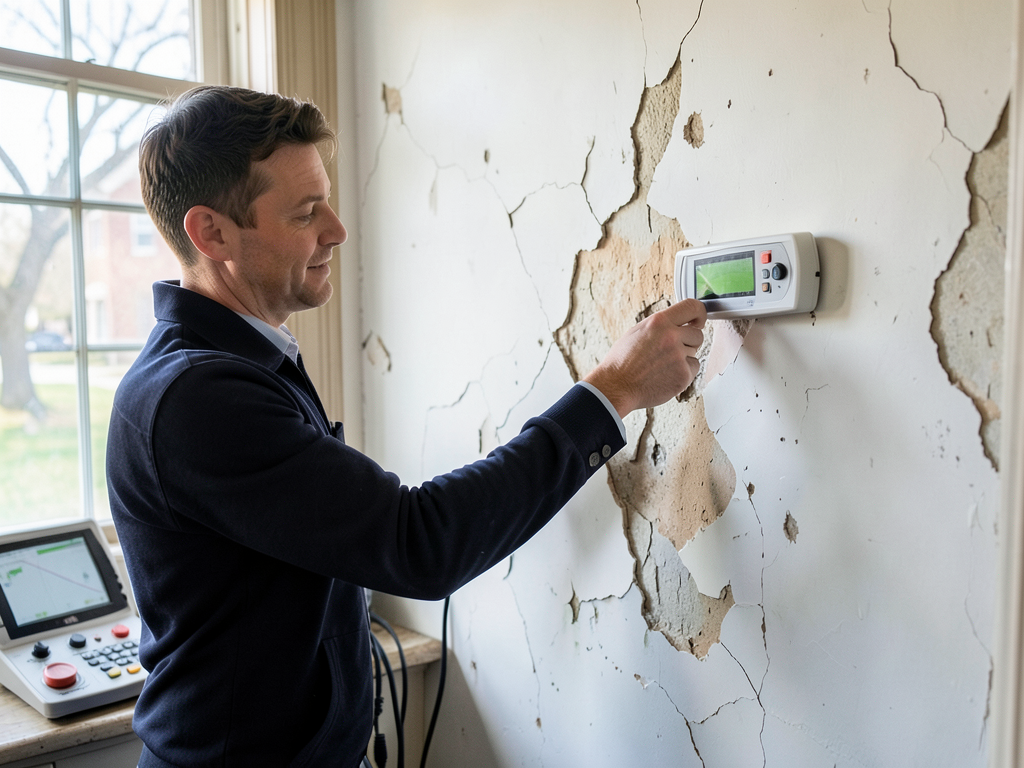
Assessment: Is Your Plaster Salvageable?
Before grabbing a sledgehammer, you need to determine if your plaster can be saved. The key factors are the plaster’s structural integrity and the extent of water penetration. Water Damage Restoration Reading.
The Sag Test: Gently press on the affected wall area. If the plaster feels solid and doesn’t move more than 1/8 inch, the keys (the plaster that grips behind the lath) are likely intact. If it moves significantly or sounds hollow, the keys have broken and structural repair is needed.
Delamination Check: Look for areas where the plaster surface has separated from the base coat. Small areas can be reattached; large sections usually require replacement.
Efflorescence: White, chalky deposits on the plaster surface indicate water-soluble salts migrating through the material. This is a sign of ongoing moisture issues that must be addressed before restoration.
West Philly homes in areas like University City and Cedar Park often feature plaster over wood lath, which creates a unique drying profile compared to modern construction.. Read more about Why your South Philly flat roof is ponding water and how to stop the interior leaks.
The Physics of Drying Plaster vs. Drywall
Plaster is fundamentally different from drywall in how it handles moisture. While drywall is essentially compressed gypsum between paper facings, traditional lime plaster is a dense, crystalline material that can actually withstand brief water exposure better than its modern counterpart.. Read more about Why water damage in your North Philly rowhome is a magnet for termites and pests.
Density Matters: Lime plaster is 3-4 times denser than drywall, meaning it absorbs water more slowly but also releases it more slowly. A water-damaged drywall panel might dry in 24-48 hours, while plaster can take 72-96 hours or longer.
Horsehair Reinforcement: Many West Philly homes built before 1920 contain horsehair in their plaster mix. This natural fiber acts as a binder, providing flexibility that helps plaster survive minor movement without cracking—a crucial advantage when drying after water damage.
Capillary Action: Plaster’s dense structure creates different moisture migration patterns. Water moves through plaster via capillary action, often traveling horizontally before moving vertically. This means damage might extend further than visible staining suggests.
Step-by-Step Restoration Process
Restoring water-damaged plaster requires a methodical approach that addresses both immediate moisture removal and long-term structural integrity.. Read more about Special precautions for water damage cleanup in older homes with lead paint in Nicetown.
- Controlled Demolition
Remove only the damaged surface materials—wallpaper, peeling paint, or loose plaster. Avoid aggressive scraping that could damage sound plaster underneath.
- Structural Drying
Set up commercial-grade dehumidifiers and air movers. For plaster, desiccant dehumidifiers often work better than refrigerant models because they can achieve lower humidity levels needed to draw moisture from dense materials.
- Moisture Monitoring
Use penetrating moisture meters at multiple depths. Plaster should test below 16% moisture content before proceeding with repairs.
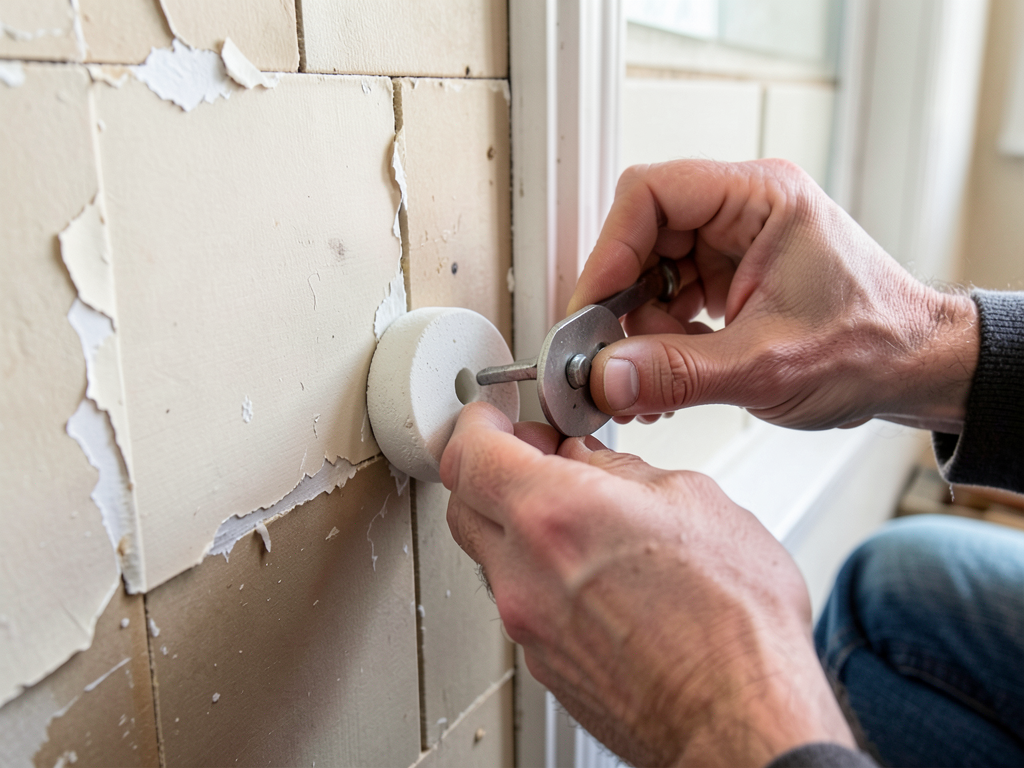
- Re-securing with Plaster Washers
For areas where keys have broken but the plaster is still sound, use plaster washers and drywall screws to reattach the plaster to the lath. This preserves the original material.
- Skim Coating
Apply thin layers of setting-type joint compound rather than traditional plaster for repairs. This creates better compatibility with the original material and allows for gradual buildup.
- Final Finishing
Sand between coats and apply a primer specifically formulated for restoration work before painting.
The entire process typically takes 5-7 days for moderate damage, compared to 2-3 days for drywall replacement.
Specific Risks in Older Philly Rowhomes
West Philadelphia’s historic housing stock presents unique challenges that affect plaster restoration decisions.. Read more about Why your North Philadelphia brick walls are crumbling after years of water absorption.
Lead Paint Considerations: Homes built before 1978 likely contain lead-based paint. The EPA’s Renovation, Repair and Painting (RRP) Rule requires certified professionals to handle any work that disturbs painted surfaces. Testing is mandatory before proceeding with plaster repairs.
Asbestos Testing: While less common in plaster than in other building materials, asbestos was sometimes used in plaster mixes before 1980. Professional testing is recommended for homes built before 1980.
Shared Walls and Plumbing: Many West Philly rowhomes share plumbing walls with neighbors. A leak in one unit can affect multiple homes, complicating the drying and restoration process.
Philadelphia Building Code Compliance: The Philadelphia Department of Licenses and Inspections requires permits for structural repairs exceeding $500 in value. Plaster restoration often qualifies, so check local requirements before starting work.
When to Call a Philadelphia Restoration Professional
While minor plaster damage might be DIY-friendly, certain situations demand professional intervention.
Structural Failure Signs: Large sections of sagging plaster, walls that feel soft or spongy, or visible cracks wider than 1/8 inch indicate structural issues requiring professional assessment.
Mold Growth Behind Lath: If water has been present for more than 48-72 hours, mold can begin growing in the wall cavity. This requires specialized remediation following IICRC S520 standards.
Insurance Claim Navigation: Professional restoration companies can document damage, provide detailed estimates, and work directly with insurance adjusters—often resulting in better claim outcomes.
Time Sensitivity: The longer water-damaged plaster remains wet, the more likely it is to develop permanent issues. Professionals can typically respond within 2-4 hours and begin emergency drying within the critical first 24 hours.
Specialized Equipment: Professional-grade moisture meters, thermal imaging cameras, and commercial dehumidifiers provide more accurate diagnostics and faster drying than consumer equipment.
Cost Comparison: Restoration vs. Replacement
Understanding the financial implications helps you make informed decisions about your plaster walls.
| Restoration Option | Cost Range | Timeframe | Historical Value Preserved |
|---|---|---|---|
| Full Plaster Restoration | $15-25 per sq ft | 5-7 days | High |
| Partial Repair with Plaster Washers | $8-12 per sq ft | 3-4 days | Medium |
| Complete Replacement with Drywall | $3-5 per sq ft | 2-3 days | Low |
While drywall replacement costs less upfront, the historical value and character of original plaster often justify the higher restoration cost, especially in West Philly’s historic districts.
Prevention: Protecting Your Plaster from Future Damage
Once you’ve restored your plaster, preventing future water damage becomes crucial.
Regular Roof Inspections: Have your roof inspected annually, especially after severe weather. Pay particular attention to flashing around chimneys and vent stacks, common failure points in older Philadelphia homes.
Gutter Maintenance: Clean gutters at least twice yearly. West Philly’s mature trees mean more debris accumulation, increasing overflow risk.
Plumbing Vigilance: Older homes often have galvanized steel pipes nearing the end of their lifespan. Consider proactive replacement before leaks occur.
Humidity Control: Use dehumidifiers during humid summer months. Philadelphia’s high summer humidity can cause condensation on cool plaster walls, leading to gradual moisture damage.
Exterior Maintenance: Check for cracks in exterior masonry or stucco. Water entering through exterior walls can travel to interior plaster surfaces.
Frequently Asked Questions
Can I just paint over water-stained plaster?
No. Painting over water-stained plaster without addressing the underlying moisture will trap water in the wall, leading to mold growth and eventual plaster failure. Always identify and fix the moisture source first.
How long does plaster need to dry before repair?
Plaster should test below 16% moisture content before repairs begin. This typically takes 3-5 days with professional drying equipment, but can extend to 7-10 days for thick, dense plaster or severe water exposure.
Will restored plaster look exactly like the original?
Professional restoration can achieve a seamless appearance, but slight variations in texture may remain visible upon close inspection. The goal is preservation of character while ensuring structural integrity.
Is plaster restoration covered by insurance?
Most homeowners insurance policies cover sudden, accidental water damage including plaster restoration. However, damage from gradual leaks or lack of maintenance is typically excluded. Check your specific policy details. How Manayunk Homeowners Can Recover Fast After Schuylkill River Flooding.
How can I tell if my plaster has asbestos?
The only way to confirm asbestos presence is through professional testing. Homes built before 1980 should be tested before any plaster work begins. Many restoration companies include testing in their initial assessment.
Preserving West Philadelphia’s historic plaster walls requires understanding their unique properties and responding with appropriate restoration techniques. The decision to restore rather than replace often comes down to balancing cost against historical value and long-term durability.
Remember that water-damaged plaster is a race against time. The longer moisture remains in the material, the more likely permanent damage becomes. Quick action, proper assessment, and professional restoration when needed can save your historic walls for generations to come.
Don’t let water damage destroy your home’s character. Call (215) 610-8188 today to schedule your inspection and get expert advice on saving your original lath and plaster walls.
Pick up the phone and call (215) 610-8188 before the next storm hits. Our Philadelphia restoration experts are ready to help 24/7. For more information, visit EPA’s Renovation, Repair and Painting (RRP) Rule. For more information, visit IICRC S500 and S520 standards.
You may also find this helpful. Dealing with the thousands of gallons of water left by fire hoses in a West Oak Lane home.
{
“@context”: “https://schema.org”,
“@type”: “BlogPosting”,
“headline”: “The best way to save original lath and plaster walls in West Philly after a major roof leak”,
“description”: “Learn how to save your historic West Philly plaster walls after a roof leak. Expert guide covering assessment, drying, and restoration using Philadelphia-specific techniques.”,
“wordCount”: 1542,
“datePublished”: “2026-04-30T12:48:00.000Z”,
“dateModified”: “2026-04-30T12:48:00.000Z”,
“inLanguage”: “en-US”,
“mainEntityOfPage”: {
“@type”: “WebPage”,
“@id”: “https://reliancewaterdamagerestorationphiladelphia.com”
},
“publisher”: {
“@type”: “LocalBusiness”,
“name”: “Reliance Water Damage Restoration Philadelphia”,
“url”: “https://reliancewaterdamagerestorationphiladelphia.com”
},
“author”: {
“@type”: “Organization”,
“name”: “Reliance Water Damage Restoration Philadelphia”,
“url”: “https://reliancewaterdamagerestorationphiladelphia.com”
},
“image”: {
“@type”: “ImageObject”,
“url”: “https://reliancewaterdamagerestorationphiladelphia.com/wp-content/uploads/2026/03/the-best-way-to-save-original-lath-and-plaster-wal-1.png”
}
}
{
“@context”: “https://schema.org”,
“@type”: “LocalBusiness”,
“name”: “Reliance Water Damage Restoration Philadelphia”,
“url”: “https://reliancewaterdamagerestorationphiladelphia.com”,
“address”: {
“@type”: “PostalAddress”,
“addressLocality”: “Philadelphia”
},
“areaServed”: {
“@type”: “City”,
“name”: “Philadelphia”
}
}
{
“@context”: “https://schema.org”,
“@type”: “FAQPage”,
“mainEntity”: [
{
“@type”: “Question”,
“name”: “Assessment: Is Your Plaster Salvageable?”,
“acceptedAnswer”: {
“@type”: “Answer”,
“text”: “Before grabbing a sledgehammer, you need to determine if your plaster can be saved. The key factors are the plaster’s structural integrity and the extent of water penetration. Water Damage Restoration Reading.”
}
},
{
“@type”: “Question”,
“name”: “Can I just paint over water-stained plaster?”,
“acceptedAnswer”: {
“@type”: “Answer”,
“text”: “No. Painting over water-stained plaster without addressing the underlying moisture will trap water in the wall, leading to mold growth and eventual plaster failure. Always identify and fix the moisture source first.”
}
},
{
“@type”: “Question”,
“name”: “How long does plaster need to dry before repair?”,
“acceptedAnswer”: {
“@type”: “Answer”,
“text”: “Plaster should test below 16% moisture content before repairs begin. This typically takes 3-5 days with professional drying equipment, but can extend to 7-10 days for thick, dense plaster or severe water exposure.”
}
},
{
“@type”: “Question”,
“name”: “Will restored plaster look exactly like the original?”,
“acceptedAnswer”: {
“@type”: “Answer”,
“text”: “Professional restoration can achieve a seamless appearance, but slight variations in texture may remain visible upon close inspection. The goal is preservation of character while ensuring structural integrity.”
}
},
{
“@type”: “Question”,
“name”: “Is plaster restoration covered by insurance?”,
“acceptedAnswer”: {
“@type”: “Answer”,
“text”: “Most homeowners insurance policies cover sudden, accidental water damage including plaster restoration. However, damage from gradual leaks or lack of maintenance is typically excluded. Check your specific policy details. How Manayunk Homeowners Can Recover Fast After Schuylkill River Flooding.”
}
},
{
“@type”: “Question”,
“name”: “How can I tell if my plaster has asbestos?”,
“acceptedAnswer”: {
“@type”: “Answer”,
“text”: “The only way to confirm asbestos presence is through professional testing. Homes built before 1980 should be tested before any plaster work begins. Many restoration companies include testing in their initial assessment.”
}
}
]
}
{
“@context”: “https://schema.org”,
“@type”: “HowTo”,
“name”: “How to Restore Water Damaged Plaster”,
“step”: [
{
“@type”: “HowToStep”,
“position”: 1,
“name”: “Controlled Demolition”,
“text”: “Remove only the damaged surface materials—wallpaper, peeling paint, or loose plaster. Avoid aggressive scraping that could damage sound plaster underneath.”
},
{
“@type”: “HowToStep”,
“position”: 2,
“name”: “Structural Drying”,
“text”: “Set up commercial-grade dehumidifiers and air movers. For plaster, desiccant dehumidifiers often work better than refrigerant models because they can achieve lower humidity levels needed to draw moisture from dense materials.”
},
{
“@type”: “HowToStep”,
“position”: 3,
“name”: “Moisture Monitoring”,
“text”: “Use penetrating moisture meters at multiple depths. Plaster should test below 16% moisture content before proceeding with repairs.”
},
{
“@type”: “HowToStep”,
“position”: 4,
“name”: “Re-securing with Plaster Washers”,
“text”: “For areas where keys have broken but the plaster is still sound, use plaster washers and drywall screws to reattach the plaster to the lath. This preserves the original material.”
},
{
“@type”: “HowToStep”,
“position”: 5,
“name”: “Skim Coating”,
“text”: “Apply thin layers of setting-type joint compound rather than traditional plaster for repairs. This creates better compatibility with the original material and allows for gradual buildup.”
},
{
“@type”: “HowToStep”,
“position”: 6,
“name”: “Final Finishing”,
“text”: “Sand between coats and apply a primer specifically formulated for restoration work before painting.”
}
],
“image”: “https://reliancewaterdamagerestorationphiladelphia.com/wp-content/uploads/2026/03/the-best-way-to-save-original-lath-and-plaster-wal-1.png”
}
{
“@context”: “https://schema.org”,
“@type”: “BreadcrumbList”,
“itemListElement”: [
{
“@type”: “ListItem”,
“position”: 1,
“name”: “Home”,
“item”: “https://reliancewaterdamagerestorationphiladelphia.com”
},
{
“@type”: “ListItem”,
“position”: 2,
“name”: “Blog”,
“item”: “https://reliancewaterdamagerestorationphiladelphia.com/blog”
},
{
“@type”: “ListItem”,
“position”: 3,
“name”: “The best way to save original lath and plaster walls in West Philly after a major roof leak”
}
]
}
{
“@context”: “https://schema.org”,
“@type”: “Service”,
“serviceType”: “Water Damage Restoration”,
“provider”: {
“@type”: “LocalBusiness”,
“name”: “Reliance Water Damage Restoration Philadelphia”,
“url”: “https://reliancewaterdamagerestorationphiladelphia.com”
},
“areaServed”: {
“@type”: “City”,
“name”: “Philadelphia”
},
“description”: “Learn how to save your historic West Philly plaster walls after a roof leak. Expert guide covering assessment, drying, and restoration using Philadelphia-specific techniques.”
}