
The Difference Between Sewage Cleaners and Standard Water Restorers
When water invades your Philadelphia home, the source matters more than you think. A burst pipe from your kitchen sink and a backed-up sewer line from your basement may both involve water, but they require completely different expertise, equipment, and safety protocols. Sewage cleanup isn’t just water restoration with a different name—it’s a specialized field that deals with Category 3 “black water” containing harmful pathogens that can make your family seriously ill. Finding the Best Water Damage Restoration Company in Center City Without Getting Scammed.
Understanding Water Categories: Why Sewage Cleanup Is Different
Water damage restoration professionals classify water into three categories based on contamination levels. Category 1 water comes from clean sources like broken water supply lines or rainwater. Category 2 water contains significant contamination and can cause discomfort or illness if contacted. Category 3 water, also known as “black water,” is grossly contaminated and can contain pathogenic, toxigenic, or other harmful agents. Water Damage Restoration Allentown.
Sewage falls squarely into Category 3. This classification isn’t arbitrary—it’s based on the presence of bacteria like E. coli, Salmonella, and various viruses that thrive in human waste. The Philadelphia Water Department reports that the city’s combined sewer system, particularly in older neighborhoods like South Philadelphia and Kensington, creates conditions where sewage backups are more likely during heavy rainfall events. EPA regulations for hazardous waste disposal.
Standard water restorers are trained to handle Categories 1 and 2 water. They use equipment like air movers and dehumidifiers to dry structures and prevent mold growth. Sewage cleaners, however, must follow strict protocols established by the IICRC S500 standard for professional water damage restoration. These protocols include specialized personal protective equipment, antimicrobial treatments, and disposal procedures that meet EPA regulations for hazardous waste.. Read more about What Makes a Restoration Company Truly Certified for Work in Philadelphia.
The Hidden Dangers of DIY Sewage Cleanup
Many Philadelphia homeowners underestimate the risks of handling sewage contamination themselves. The combination of high humidity in our region and the organic matter in sewage creates an ideal environment for rapid microbial growth. Within 24-48 hours, bacteria can multiply to dangerous levels, and mold spores can begin colonizing damp materials. How Manayunk Homeowners Can Recover Fast After Schuylkill River Flooding.
The physical symptoms of exposure to contaminated water can range from mild gastrointestinal distress to severe infections requiring hospitalization. Children, elderly individuals, and those with compromised immune systems face the highest risks. The Centers for Disease Control and Prevention specifically warns against attempting to clean up sewage without proper training and equipment.
Beyond health risks, improper sewage cleanup can lead to structural damage that isn’t immediately visible. Water can wick up through drywall and wood framing, creating hidden moisture pockets that serve as breeding grounds for mold and bacteria long after the surface appears dry. This is particularly problematic in Philadelphia’s historic row homes, where shared walls and limited ventilation can trap moisture and contaminants.
Professional Sewage Cleanup: The Process and Equipment
Sewage cleanup requires a systematic approach that goes far beyond what standard water restoration involves. The process begins with containment—establishing physical barriers to prevent cross-contamination to unaffected areas of your home. This is critical in Philadelphia’s older housing stock, where air can circulate through shared ventilation systems and wall cavities.
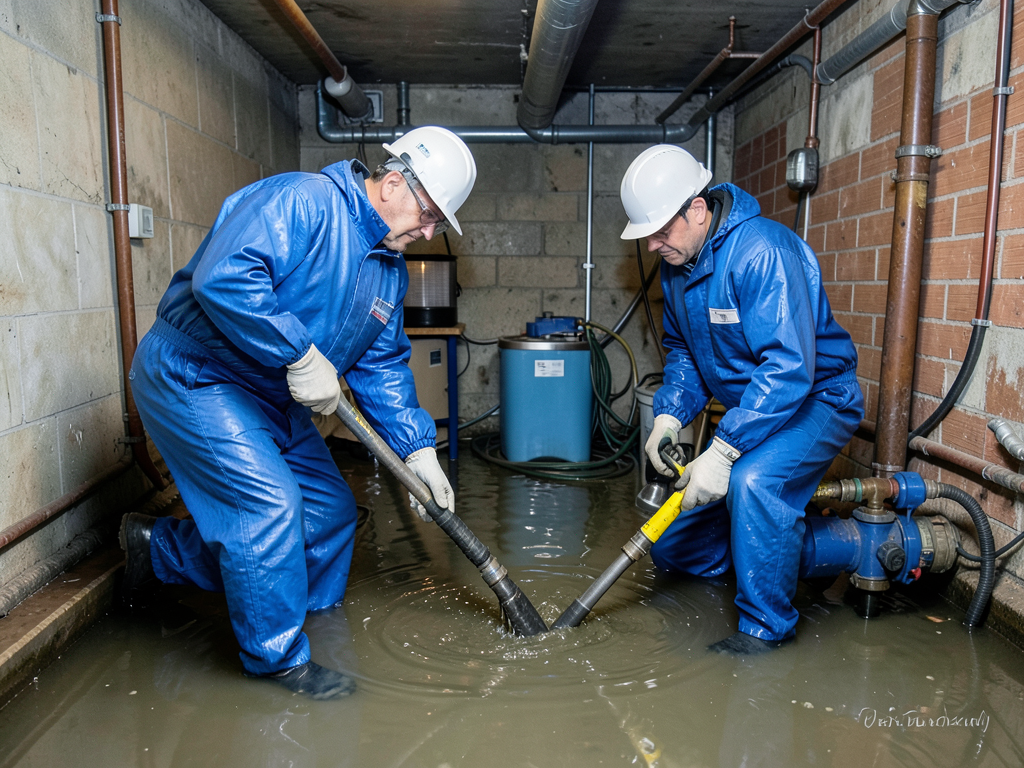
Professional sewage cleaners use specialized equipment including HEPA-filtered air scrubbers that remove airborne contaminants, industrial-grade antimicrobial treatments that kill bacteria and viruses, and moisture detection technology that can identify hidden water pockets behind walls. They also employ submersible pumps and truck-mounted extraction units capable of handling the solid waste often present in sewage backups.
The sanitization phase is where sewage cleanup truly diverges from standard water restoration. While a water restorer might use a biocide to prevent mold growth, sewage cleaners must use hospital-grade disinfectants that can eliminate the specific pathogens found in human waste. This often requires multiple applications and verification testing to ensure the area is safe for reoccupation.
Philadelphia’s Unique Infrastructure Challenges
Philadelphia’s aging infrastructure creates specific vulnerabilities that make professional sewage cleanup essential. The city’s combined sewer system, particularly in neighborhoods like Fishtown, Northern Liberties, and parts of South Philadelphia, means that stormwater and sewage share the same pipes. During heavy rains, this system can become overwhelmed, causing sewage to back up into basements and lower-level units. What To Do If Your Northern Liberties Ceiling Is Sagging From A Leak.
The Philadelphia Water Department’s CSO (Combined Sewer Overflow) program has been working to address these issues, but many areas still experience periodic backups during significant weather events. The clay soil common in the region also contributes to the problem by expanding when wet, putting pressure on aging pipes and creating conditions where blockages are more likely to occur.
Historic preservation requirements in Philadelphia can complicate cleanup efforts. Many of the city’s beautiful old homes have plaster walls, hardwood floors, and other materials that require specialized restoration techniques. A standard water restorer might recommend removing and replacing these materials, while a sewage cleanup specialist understands how to properly sanitize and preserve them when possible.
When to Call a Sewage Cleaner vs. a Water Restorer
Knowing which professional to call can save you time, money, and health risks. Call a sewage cleaner immediately if you notice any of these signs: a foul odor accompanying water damage, visible sewage or waste material, water backing up from toilets or floor drains, or if the water originated from a sewer line or septic system.
A standard water restorer is appropriate for clean water emergencies like a burst pipe, rainwater intrusion through a roof leak, or an overflowing sink with no contamination. However, if that clean water sits for more than 48 hours or comes into contact with contaminated materials, it may escalate to Category 2 or 3, requiring sewage cleanup expertise.
Time is critical in both scenarios, but especially with sewage. The EPA recommends that Category 3 water damage be addressed within 24 hours to prevent the spread of contamination and reduce health risks. In Philadelphia’s humid climate, this timeline is even more urgent as moisture levels can accelerate microbial growth.
The Cost Factor: Why Professional Sewage Cleanup Is Worth It
While sewage cleanup typically costs more than standard water restoration, the investment protects your health and property value. The specialized equipment, training, and disposal fees required for proper sewage remediation are significant expenses that a standard water restorer doesn’t incur.
Insurance coverage also differs between the two services. Many standard homeowner’s policies cover sudden water damage from clean sources, but sewage backups often require additional riders or separate coverage. A professional sewage cleaner can help document the damage and work with your insurance company to maximize your claim, potentially saving you thousands in out-of-pocket expenses.
Attempting to save money with DIY sewage cleanup or hiring an unqualified contractor can lead to much higher costs down the road. Hidden contamination can cause structural damage that requires extensive repairs, and health issues from exposure can result in medical bills and lost wages that far exceed the initial cleanup cost.
Finding the Right Professional in Philadelphia
When selecting a sewage cleanup professional in Philadelphia, look for certifications from the IICRC (Institute of Inspection Cleaning and Restoration Certification) and verification of proper licensing with the Pennsylvania Department of Environmental Protection. Ask about their experience with Philadelphia’s specific infrastructure challenges and request references from local customers.
A reputable sewage cleaner should be willing to explain their process, show you their equipment, and provide documentation of their safety protocols. They should also be familiar with local regulations regarding waste disposal and have established relationships with licensed disposal facilities in the Philadelphia area.
Response time is another critical factor. The best sewage cleanup companies offer 24/7 emergency service and can typically arrive within 60 minutes of your call. This rapid response is essential for minimizing damage and health risks, particularly during Philadelphia’s frequent storm events when multiple emergencies may be occurring simultaneously. Emergency Frozen Pipe Repair and Cleanup for West Philly Homeowners.
Preventing Future Sewage Backups
While you can’t control Philadelphia’s infrastructure, you can take steps to reduce your risk of sewage backups. Regular maintenance of your home’s plumbing system, including camera inspections of sewer lines, can identify potential problems before they cause emergencies. Installing backwater valves, particularly in low-lying areas of the city, can prevent sewage from backing up into your home during heavy rainfall.
Proper disposal practices also play a role. Avoid flushing items that can clog pipes, including “flushable” wipes, paper towels, and feminine hygiene products. Even products labeled as flushable don’t break down as quickly as toilet paper and can contribute to blockages in both your home’s plumbing and the city’s sewer system.
Landscaping considerations matter too. Tree roots are a common cause of sewer line damage in Philadelphia, where mature trees are common in many neighborhoods. Planting trees away from sewer lines or choosing species with less aggressive root systems can prevent future problems.
The Bottom Line on Sewage vs. Water Restoration
The difference between sewage cleaners and standard water restorers isn’t just semantic—it’s a matter of public health, property protection, and professional expertise. Sewage cleanup requires specialized training, equipment, and protocols that go far beyond what’s needed for standard water restoration.
In Philadelphia, where aging infrastructure and frequent storms create conditions ripe for sewage backups, having a trusted sewage cleanup professional on call isn’t just convenient—it’s essential for protecting your family’s health and your home’s value. Don’t wait until you’re facing a sewage emergency to find out the difference. Research qualified professionals now, so you’re prepared when disaster strikes.
Frequently Asked Questions
How quickly should sewage cleanup begin after a backup?
Category 3 water damage should be addressed within 24 hours to prevent the spread of contamination and reduce health risks. In Philadelphia’s humid climate, this timeline is even more urgent as moisture levels can accelerate microbial growth.
Can I clean up sewage myself if I wear protective gear?
Even with protective equipment, DIY sewage cleanup is extremely risky. Professional sewage cleaners use specialized equipment and follow strict protocols established by the IICRC S500 standard. Improper cleanup can leave behind harmful pathogens and hidden moisture that cause long-term health and structural problems.
Will my homeowner’s insurance cover sewage cleanup?
Coverage varies by policy. Many standard homeowner’s policies don’t cover sewage backups without additional riders. A professional sewage cleaner can help document the damage and work with your insurance company to maximize your claim and understand your coverage options.
What makes sewage different from clean water damage?
Sewage contains harmful pathogens including bacteria, viruses, and parasites that can cause serious illness. It requires specialized cleaning agents, disposal methods, and safety protocols that go far beyond what’s needed for clean water damage. The contamination level is classified as Category 3, the highest risk level.
How long does professional sewage cleanup take?
The process typically takes 3-5 days, depending on the extent of contamination and the materials affected. This includes water extraction, sanitization, drying, and verification testing to ensure the area is safe for reoccupation. Philadelphia’s humidity may extend drying times. For more information, visit CDC guidelines on infectious disease risks from sewage.
You may also find this helpful. A Guide to Salvaging Belongings After a Flood in Your Wynnefield Home.
{
“@context”: “https://schema.org”,
“@type”: “BlogPosting”,
“headline”: “The Difference Between Sewage Cleaners and Standard Water Restorers”,
“description”: “Discover why sewage cleanup requires specialized training, equipment, and safety protocols. Learn the critical differences between black water remediation and standard water restoration in Philadelphia.”,
“wordCount”: 1852,
“datePublished”: “2026-03-25T11:37:00.000Z”,
“dateModified”: “2026-03-25T11:37:00.000Z”,
“inLanguage”: “en-US”,
“mainEntityOfPage”: {
“@type”: “WebPage”,
“@id”: “https://reliancewaterdamagerestorationphiladelphia.com”
},
“publisher”: {
“@type”: “LocalBusiness”,
“name”: “Reliance Water Damage Restoration Philadelphia”,
“url”: “https://reliancewaterdamagerestorationphiladelphia.com”
},
“author”: {
“@type”: “Organization”,
“name”: “Reliance Water Damage Restoration Philadelphia”,
“url”: “https://reliancewaterdamagerestorationphiladelphia.com”
},
“image”: {
“@type”: “ImageObject”,
“url”: “https://reliancewaterdamagerestorationphiladelphia.com/wp-content/uploads/2026/03/the-difference-between-sewage-cleaners-and-standar-1.png”
}
}
{
“@context”: “https://schema.org”,
“@type”: “LocalBusiness”,
“name”: “Reliance Water Damage Restoration Philadelphia”,
“url”: “https://reliancewaterdamagerestorationphiladelphia.com”,
“address”: {
“@type”: “PostalAddress”,
“addressLocality”: “Philadelphia”
},
“areaServed”: {
“@type”: “City”,
“name”: “Philadelphia”
}
}
{
“@context”: “https://schema.org”,
“@type”: “FAQPage”,
“mainEntity”: [
{
“@type”: “Question”,
“name”: “How quickly should sewage cleanup begin after a backup?”,
“acceptedAnswer”: {
“@type”: “Answer”,
“text”: “Category 3 water damage should be addressed within 24 hours to prevent the spread of contamination and reduce health risks. In Philadelphia’s humid climate, this timeline is even more urgent as moisture levels can accelerate microbial growth.”
}
},
{
“@type”: “Question”,
“name”: “Can I clean up sewage myself if I wear protective gear?”,
“acceptedAnswer”: {
“@type”: “Answer”,
“text”: “Even with protective equipment, DIY sewage cleanup is extremely risky. Professional sewage cleaners use specialized equipment and follow strict protocols established by the IICRC S500 standard. Improper cleanup can leave behind harmful pathogens and hidden moisture that cause long-term health and structural problems.”
}
},
{
“@type”: “Question”,
“name”: “Will my homeowner’s insurance cover sewage cleanup?”,
“acceptedAnswer”: {
“@type”: “Answer”,
“text”: “Coverage varies by policy. Many standard homeowner’s policies don’t cover sewage backups without additional riders. A professional sewage cleaner can help document the damage and work with your insurance company to maximize your claim and understand your coverage options.”
}
},
{
“@type”: “Question”,
“name”: “What makes sewage different from clean water damage?”,
“acceptedAnswer”: {
“@type”: “Answer”,
“text”: “Sewage contains harmful pathogens including bacteria, viruses, and parasites that can cause serious illness. It requires specialized cleaning agents, disposal methods, and safety protocols that go far beyond what’s needed for clean water damage. The contamination level is classified as Category 3, the highest risk level.”
}
},
{
“@type”: “Question”,
“name”: “How long does professional sewage cleanup take?”,
“acceptedAnswer”: {
“@type”: “Answer”,
“text”: “The process typically takes 3-5 days, depending on the extent of contamination and the materials affected. This includes water extraction, sanitization, drying, and verification testing to ensure the area is safe for reoccupation. Philadelphia’s humidity may extend drying times. For more information, visit CDC guidelines on infectious disease risks from sewage.”
}
}
]
}
{
“@context”: “https://schema.org”,
“@type”: “BreadcrumbList”,
“itemListElement”: [
{
“@type”: “ListItem”,
“position”: 1,
“name”: “Home”,
“item”: “https://reliancewaterdamagerestorationphiladelphia.com”
},
{
“@type”: “ListItem”,
“position”: 2,
“name”: “Blog”,
“item”: “https://reliancewaterdamagerestorationphiladelphia.com/blog”
},
{
“@type”: “ListItem”,
“position”: 3,
“name”: “The Difference Between Sewage Cleaners and Standard Water Restorers”
}
]
}
{
“@context”: “https://schema.org”,
“@type”: “Service”,
“serviceType”: “Water Damage Restoration”,
“provider”: {
“@type”: “LocalBusiness”,
“name”: “Reliance Water Damage Restoration Philadelphia”,
“url”: “https://reliancewaterdamagerestorationphiladelphia.com”
},
“areaServed”: {
“@type”: “City”,
“name”: “Philadelphia”
},
“description”: “Discover why sewage cleanup requires specialized training, equipment, and safety protocols. Learn the critical differences between black water remediation and standard water restoration in Philadelphia.”
}